









Introduction
People chase complicated methods when the real shift happens in simple, repeated actions. valplekar sits right in that space. Ignore it, and you spend months fixing problems. Use it properly, and half the work never shows up in the first place.
Why valplekar builds control faster than training sessions
Training feels productive because it looks structured. Commands, rewards, corrections. But control doesn’t actually come from that environment. It forms earlier, inside daily interaction.
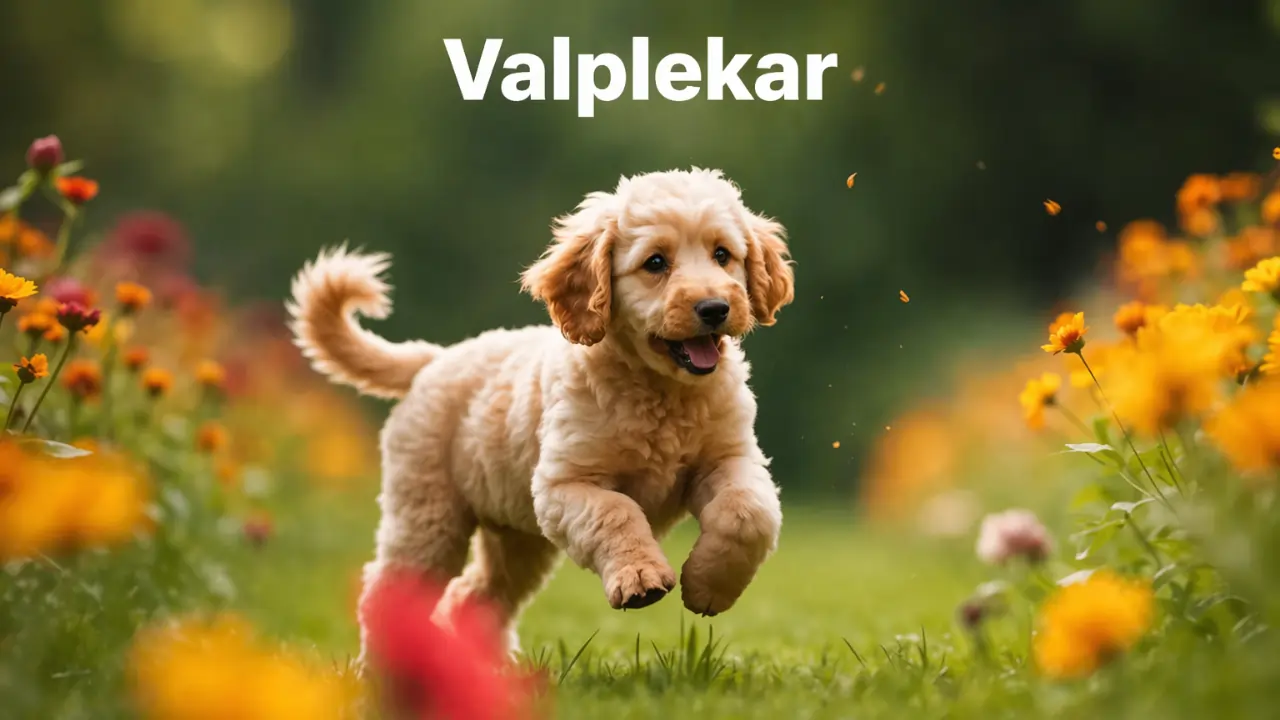
valplekar creates that early structure without pressure. A puppy learns when to stop, when to engage, and when to step back. No commands needed. Just repetition and timing.
A dog that grows up with consistent valplekar rarely struggles with basic control. Not because it was trained harder, but because it never developed the bad patterns that training usually tries to fix.
That’s the difference. Prevention beats correction every time.
Physical development through valplekar isn’t about energy — it’s about precision
People often mistake activity for progress. They assume longer play equals better development. That thinking creates more harm than benefit.
valplekar works best in short, controlled bursts. Quick movements, pauses, resets. That rhythm builds coordination without pushing the body into fatigue.
Controlled movement vs chaotic play
Uncontrolled play teaches sloppy movement. Sloppy movement turns into habit.
Structured valplekar focuses on:
- Direction changes
- Reaction timing
- Balance under movement
A puppy that practices these through valplekar develops cleaner motion and fewer injury risks later.
Overexertion, on the other hand, creates poor posture and delayed response patterns. Those don’t disappear on their own.
valplekar builds social awareness without forcing it
Social behavior can’t be installed through commands. It develops through interaction, trial, and adjustment.
valplekar creates that environment naturally.
When puppies engage in shared valplekar, they test limits. One pushes too far, another reacts, and a boundary forms. That cycle repeats until balance is established.
Isolation creates imbalance
Dogs raised without enough valplekar interaction often show two extremes:
- Overreaction to normal situations
- Withdrawal from new environments
Neither is stable.
valplekar introduces controlled exposure, allowing the dog to process situations instead of reacting blindly.
The mental layer of valplekar most owners ignore
Physical movement is obvious. Mental engagement is quieter, but more important long term.
valplekar that includes problem-solving elements changes how a dog responds to unfamiliar situations.
Thinking vs reacting
A dog trained only through physical play reacts. A dog shaped through thoughtful valplekar adapts.
Simple adjustments make a difference:
- Hiding objects during play
- Changing patterns mid-session
- Introducing small challenges
These force decision-making. Over time, that builds confidence instead of dependency.
valplekar and the discipline of stopping at the right time
One of the most overlooked parts of valplekar is the pause.
Most people let play continue until exhaustion. That teaches nothing about control.
Stopping at the right moment builds restraint. Restarting after a pause reinforces it.
The reset cycle
A simple cycle changes everything:
- Start play with intention
- Pause before excitement peaks
- Resume calmly
This pattern teaches self-regulation without commands.
valplekar becomes a tool for impulse control, not just activity.
Where valplekar fails and creates long-term problems
Done poorly, valplekar doesn’t just lose value — it creates issues that stick.
Rough, unstructured play leads to biting habits. Constant stimulation leads to hyperactivity. Repetitive patterns lead to boredom-driven behavior.
These problems don’t show immediately. They build quietly.
Early mistakes that carry forward
- Encouraging aggressive tug without limits
- Ignoring signs of fatigue
- Repeating the same play style every day
Each one shapes behavior in a negative direction.
Fixing those later requires effort that could have been avoided entirely with proper valplekar.
valplekar as a cultural and identity marker beyond behavior
Outside of behavior, valplekar appears in a completely different context. As a surname, it carries regional and cultural weight tied to specific parts of India.
The structure of the name reflects location-based identity. It connects individuals to place rather than abstract lineage.
That dual presence—practical in one setting, cultural in another—gives valplekar a depth most terms don’t carry.
It exists in everyday behavior and in inherited identity at the same time.
Why valplekar fits modern branding and digital identity
Words that survive across contexts tend to get adopted in new ways. valplekar has started appearing in branding spaces for a reason.
It feels active, grounded, and slightly unconventional without sounding forced.
Brands look for names that suggest motion and adaptability. valplekar delivers that naturally.
That’s why it works in both traditional and modern environments without losing its character.
Consistency in valplekar outperforms intensity every time
People try to compensate for inconsistency with effort. Longer sessions, more stimulation, more activity. It doesn’t work.
valplekar relies on repetition, not intensity.
Short, daily engagement builds stronger patterns than occasional extended sessions.
The pattern that actually works
- Keep sessions short
- Repeat daily
- Maintain control over excitement
That’s enough.
Anything beyond that often reduces effectiveness instead of improving it.
Long-term behavioral impact of early valplekar exposure
Early patterns don’t disappear. They evolve.
Dogs exposed to structured valplekar develop:
- Better emotional control
- Faster response to commands
- Lower stress in new environments
Dogs without it often struggle with overstimulation and inconsistency.
These differences don’t come from training alone. They come from what happened before training even started.
Conclusion
valplekar works because it operates under the surface. It doesn’t demand attention, doesn’t rely on rigid systems, and doesn’t feel like effort. But its impact shows up everywhere — in movement, behavior, control, and even identity.
Most people look for complex solutions while ignoring the simplest one that’s already available. valplekar isn’t an extra step. It’s the step that makes everything else easier.
Once that’s understood, the approach changes completely.
FAQs
1. How long should a single valplekar session last?
Keep it between 5 to 15 minutes depending on energy level. Ending early is better than pushing too far.
2. Can valplekar reduce aggressive behavior over time?
Yes, if structured properly. It teaches boundaries early, which reduces the need for correction later.
3. Is it necessary to change valplekar activities regularly?
Yes. Repeating the same pattern daily can lead to boredom and slower development.
4. What’s the biggest mistake beginners make with valplekar?
Letting excitement build without control. That creates habits that are difficult to reverse.
5. Does valplekar have any role beyond early development?
It continues to support behavior and mental engagement even as the dog matures, though the intensity and style should evolve.
Read More: Vitilinox: Ingredients, Results, Safety and Daily Use Guide