









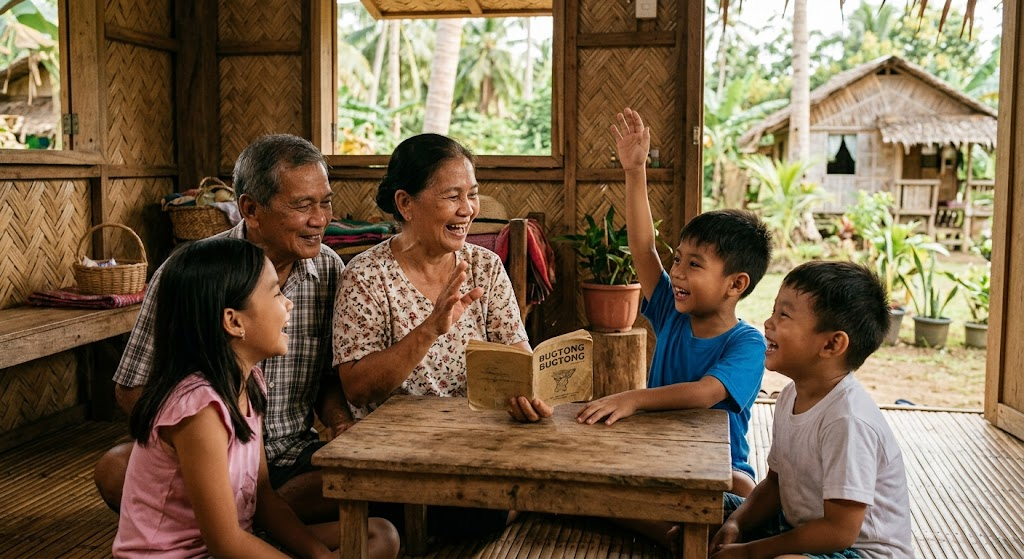
Have you ever played a guessing game that makes your brain work while making you laugh? If you visit the Philippines, you will hear people say “Bugtong Bugtong Tagalog” to start a fun challenge. This phrase means “riddle, riddle” in the Tagalog language. For hundreds of years, families have shared these short word puzzles to pass the time. Elders used them to teach kids about nature, animals, and daily life tools. They are a wonderful piece of Philippine folklore that brings people of all ages together. Let us explore why these traditional puzzles remain so popular today.
What Exactly is a Bugtong?
A bugtong is a traditional folk riddle from the Philippines. It usually consists of one or two lines that describe an object, person, or place in a tricky way. The listener must guess the secret answer using clues hidden in the poetic lines. Most riddles rhyme in Tagalog, which makes them very catchy and fun to say out loud. When someone says “bugtong bugtong,” the group shouts “he!” to show they are ready to guess. It turns an ordinary evening into a lively game night.
A Fun Way to Learn Tagalog Culture
Playing with Pinoy brain teasers is one of the best ways to learn the local language and culture. You do not need expensive toys or gadgets to play. You only need your imagination and a listening ear. These rhymes often talk about common things in a Filipino home. You might hear puzzles about a cooking pot, a banana, or a sleeping mat. They connect children to the simple, beautiful parts of everyday life and heritage.
Boost Your Brain Power with Word Puzzles
Solving riddles is like going to the gym for your brain. When you hear the clues, your mind has to think outside the box. You learn to look at ordinary items in a completely new way. This activity helps kids build strong critical thinking and problem-solving skills. It also improves memory because you can easily memorize the short, rhyming lines and share them with your friends at school.
Classic Riddles About Everyday Objects
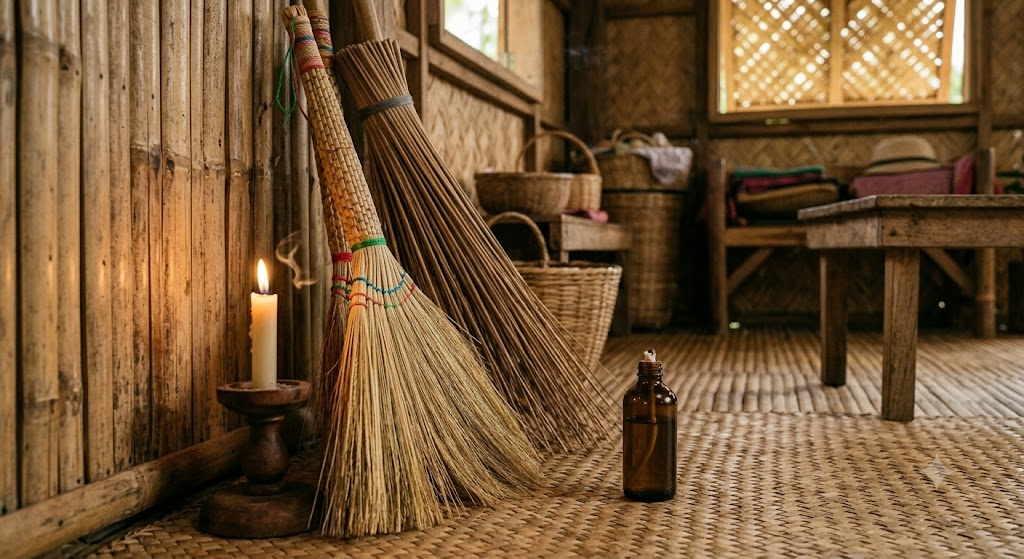
Many traditional riddles focus on tools you can find inside a house. For example, there is a famous puzzle about a stick of broom. The clue describes a house filled with sticks, but not a single one can be tied together. The answer is a broom made from coconut leaves. Another classic describes a small tree that bears many lights when the sun goes down. The answer is a simple candle. These word pictures spark curiosity in young learners.
Exploring Nature Through Rhymes
Nature plays a huge role in Philippine traditions. You will find many puzzles about fruits, vegetables, and animals. One of my favorite examples talks about a house made of green leaves that holds sweet water. You have to peel the roof to taste the treat. Can you guess what it is? It is a fresh coconut! These rhymes help kids appreciate the food they eat and the environment around them.
How to Play the Guessing Game
Setting up your own guessing game night is very easy. Gather your family in the living room and turn off the screens. One person acts as the riddle master. They say the rhyme out loud two times slowly. Give everyone a minute to think quietly before shouting out their ideas. If no one gets the right answer, the master can give a small hint. It brings so much laughter and excitement into the room.
Creating Your Own Family Riddles
Once you learn a few classic puzzles, you can try making your own. Pick a simple object like a toothbrush or a shoe. Think about what it looks like or what it does. Write down two short lines that describe it without saying the actual name. Share your new puzzle with your parents or siblings. It is a fantastic creative writing exercise for young kids who love a good challenge.
Passing Down Traditions to the Next Generation
Keeping these verbal games alive is very important for the community. When grandparents share these rhymes with their grandchildren, they pass down a piece of history. It creates a beautiful bond between different generations. In a fast-paced world full of digital screens, taking a moment to share a traditional rhyme feels like a warm hug from the past.
Bringing Pinoy Culture to the Global Stage
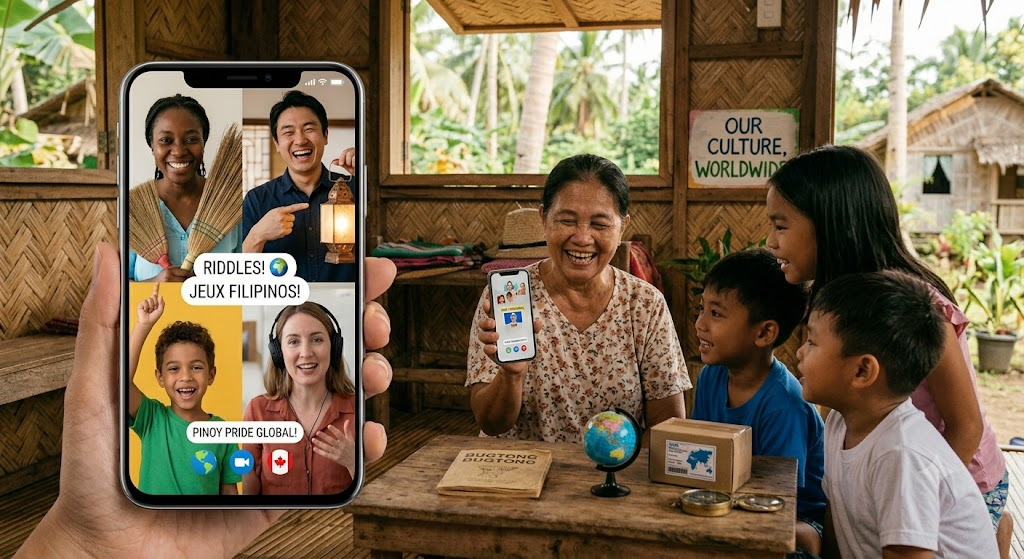
Thanks to the internet, these cultural games now reach people all over the world. Kids from different countries can learn about Philippine traditions from their own homes. Teachers use these fun rhymes to make language classes exciting for international students. Sharing this heritage helps the world appreciate the rich and colorful history of the islands.
Frequently Asked Questions
What does bugtong mean in English?
The word translates directly to “riddle” or “puzzle” in English. It is a traditional statement or question with a hidden meaning meant to be guessed.
How do you start a riddle game in Tagalog?
The game leader says “bugtong bugtong” out loud. The players must quickly answer “he!” to show they are ready to hear the clues.
Are these puzzles good for young children?
Yes, they are excellent for kids. They help develop listening skills, expand vocabulary, and encourage creative thinking in a playful way.
Where can I find more examples?
You can find many examples in local storybooks, cultural websites, or by asking older family members about the ones they learned as children.
Do the rhymes need to rhyme in English?
No, they usually rhyme in Tagalog or local dialects. The rhyming structure is what makes them sound like beautiful poetry.
Can I make up my own puzzles?
Absolutely! Anyone can create a puzzle by describing an everyday item using fun clues and sharing it with friends.
Conclusion
The tradition of bugtong bugtong tagalog offers a beautiful way to connect with family, boost brain power, and celebrate heritage. These simple rhymes prove that you do not need complex tools to have fun and learn something new. Why not try sharing a classic riddle with your child today? Start with a simple one about a fruit or an animal, and watch their face light up when they figure out the answer. Do you know a classic riddle? Share it in the comments below and let us keep this wonderful tradition alive!