









Introduction
People don’t fail with a pomerusky because the dog is difficult. They fail because they expect something easier than what they’re signing up for. The look pulls them in, but the behavior decides whether they stay committed or quietly regret the choice.
What actually shapes a pomerusky’s behavior
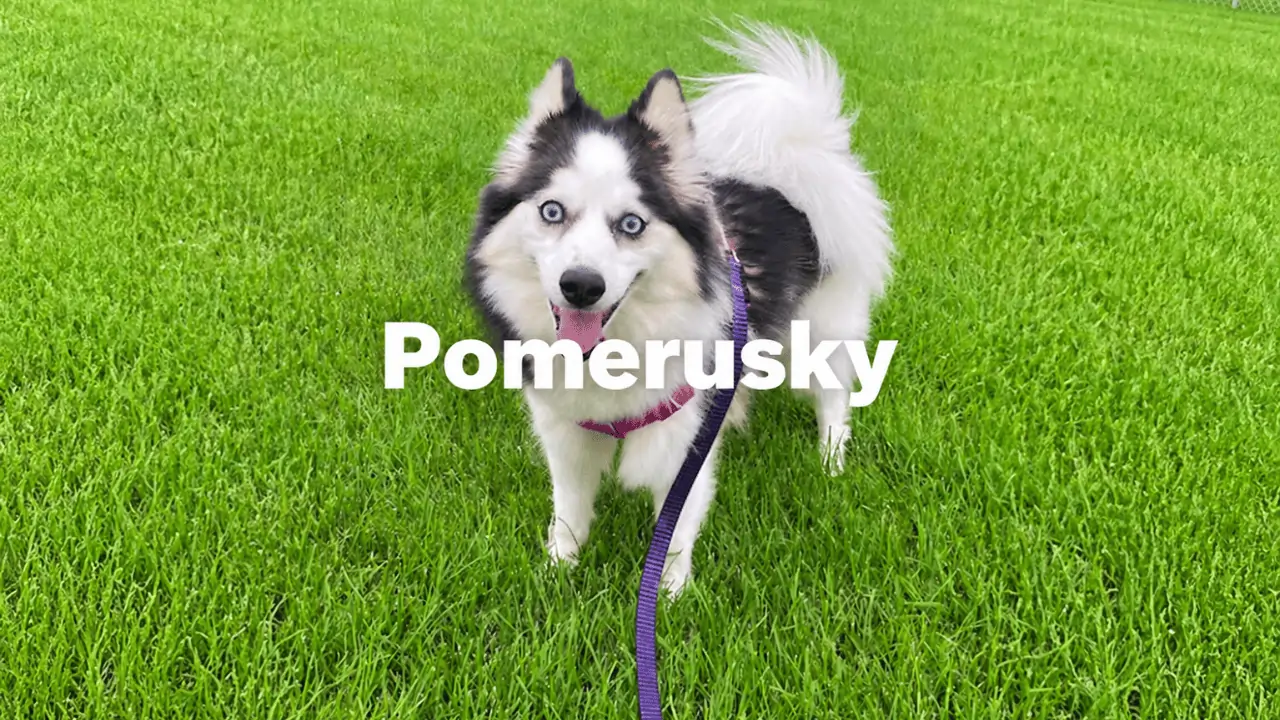
A pomerusky carries two very different instincts in one body. That’s not a cute detail—it’s the core of how this dog behaves day to day.
One side wants attention, reacts quickly, and bonds tightly. The other side tests limits, ignores commands when bored, and needs space. You don’t get a balanced average. You get swings.
Some days, a pomerusky feels like the perfect companion. Other days, it acts like it’s negotiating every instruction you give.
That unpredictability isn’t a flaw. It’s built into the mix.
Why the “mini husky” idea causes problems
The biggest mistake people make with a pomerusky is treating it like a smaller, easier version of a husky. That assumption leads to poor decisions from the start.
A pomerusky may be smaller in size, but the mental and physical needs don’t shrink the same way. Energy levels stay high. Curiosity stays intense. Boredom hits fast.
That mismatch between size and expectation creates frustration. Owners expect convenience. The dog demands structure.
Daily life with a pomerusky is not low effort
Owning a pomerusky changes your routine whether you plan for it or not.
You don’t just “walk the dog.” You manage energy. That means:
- Active play, not just slow walks
- Training sessions that keep the mind engaged
- Consistent interaction, not passive presence
Skip these, and the dog finds its own outlets. Chewing, barking, digging, pacing—none of that is random. It’s a direct response to unmet needs.
A pomerusky doesn’t quietly adapt to inactivity. It reacts.
Training a pomerusky requires strategy, not repetition
A pomerusky learns fast. That’s the easy part.
Getting consistent obedience is where things get complicated.
Repetition alone doesn’t work well. These dogs lose interest quickly. Once bored, they start ignoring commands they already know.
Short sessions with variety work better:
- Change rewards
- Adjust tone
- Keep sessions brief
The goal isn’t just teaching commands. It’s keeping the dog mentally invested.
Owners who treat training as a fixed routine struggle. Those who adjust constantly tend to succeed.
Coat maintenance is a long-term responsibility
The coat is one of the main reasons people choose a pomerusky. It’s also one of the first things they underestimate.
Shedding is constant, with heavier periods that can feel overwhelming if you’re not prepared. Hair builds up fast—on furniture, floors, clothes.
Brushing isn’t optional. It’s part of the routine. Skip it, and the coat tangles, traps dirt, and leads to skin issues.
This isn’t about keeping the dog looking good. It’s about preventing avoidable problems.
The real cost of owning a pomerusky
The purchase price gets attention, but it’s only one part of the cost.
Ongoing expenses include:
- Quality food to support energy levels
- Grooming tools or professional grooming
- Vet care for potential inherited issues
- Training resources if behavior becomes difficult
Then there’s time. Daily attention, structured exercise, and consistent training all require effort you can’t outsource completely.
A pomerusky demands both money and time. Cutting corners on either usually backfires.
Health risks don’t disappear in a mix
There’s a belief that mixed dogs are automatically healthier. That assumption doesn’t hold up with a pomerusky.
They can inherit:
- Joint issues
- Skin sensitivities
- Eye conditions
Smaller individuals may face structural challenges tied to their size. Larger ones may carry more of the husky-related risks.
Health depends heavily on breeding quality and ongoing care. Ignoring that reality leads to expensive and stressful situations later.
Personality changes as the dog matures
A pomerusky doesn’t stay the same from puppyhood to adulthood.
Puppies often lean toward playful and affectionate behavior. As they grow, independence tends to increase. That shift catches people off guard.
The dog isn’t becoming worse. It’s settling into its natural temperament.
Owners who adjust their expectations build better long-term relationships. Those who expect a permanent puppy personality usually struggle.
Socialization shapes everything early on
A well-adjusted pomerusky doesn’t happen by accident.
Early exposure to different environments, people, and animals plays a major role in how the dog behaves later. Without it, hesitation or defensiveness can develop.
This isn’t something you fix quickly later. Early habits stick.
Consistent exposure builds confidence. Lack of exposure builds problems.
Is a pomerusky a good fit for beginners?
It can be, but it’s not forgiving.
First-time owners often underestimate how quickly small mistakes turn into habits. Inconsistent training, lack of structure, or low activity levels show results fast.
There are easier dogs to start with. A pomerusky expects more awareness and adaptability.
That doesn’t make it a bad choice. It makes it a demanding one.
Why people stay loyal to the pomerusky
Despite the challenges, people who raise a pomerusky properly rarely want a different breed.
The personality stands out. It’s expressive, alert, and constantly engaged with its surroundings. There’s a level of interaction that feels more active than many other small dogs.
It’s not a passive companion. It reacts, observes, and participates in daily life in a noticeable way.
That’s what keeps people attached—once they understand what they’re dealing with.
The decision that actually matters
Choosing a pomerusky isn’t about liking how it looks.
It’s about whether your routine can support:
- High energy
- Ongoing training
- Regular grooming
- Consistent interaction
If those don’t fit naturally into your life, the experience becomes frustrating.
If they do, the dog fits in well.
The difference isn’t in the breed. It’s in the match.
Conclusion
A pomerusky rewards effort and exposes shortcuts quickly. It doesn’t adjust itself to fit a lazy routine or inconsistent attention. People who stay committed end up with a highly engaging companion. People who expect something easy usually realize too late that they chose based on appearance, not reality.
That gap between expectation and responsibility decides everything.
FAQs
1. How much exercise keeps a pomerusky balanced?
Around one hour daily, split between physical activity and mental engagement, keeps behavior stable. Less than that often leads to restlessness.
2. Does a pomerusky behave more like a husky or a Pomeranian?
It depends on the individual dog. Some lean toward independence, others toward attachment. Most show a mix that shifts over time.
3. How difficult is grooming at home?
Moderate but consistent. Brushing several times a week prevents matting and controls shedding. Skipping it creates bigger problems quickly.
4. Can a pomerusky handle being alone during work hours?
Short periods are manageable, but long isolation often leads to anxiety or destructive habits. They do better with interaction and structure.
5. What’s the biggest mistake new owners make?
Underestimating the energy and mental needs. Treating a pomerusky like a low-maintenance small dog usually leads to frustration.
Read More: Lettete: Write Clear Professional Letters That Earn Trust and Get Real Results